




If you're preparing your child for Science NAPLAN, you're likely facing a mix of excitement and anxiety. The pressure to ensure they perform well is real, but so often, the approach to preparation is misunderstood.
Too many focus on memorizing facts or rushing through practice tests, but real success lies in developing a deep understanding of scientific concepts and fostering a mindset that embraces learning, not just testing.
In this guide, we’ll break down exactly how you can prepare your child for Science NAPLAN in a way that not only helps them excel in 2025 but also nurtures their confidence and curiosity in science. With the right strategies, you can make the preparation process meaningful and stress-free, ensuring your child is ready to take on the challenge with ease.
Key Takeaways
-
Success in Science NAPLAN depends on your child’s ability to apply knowledge, think critically, and solve real-world problems, not just memorizing facts.
-
Data interpretation is a major part of the test, so regular practice with graphs and tables can help your child become more confident in analyzing scientific data.
-
Explaining their reasoning and justifying conclusions with evidence is essential. Encouraging your child to articulate their thought process will improve their performance.
-
Practicing with timed tests will help your child manage time effectively, reduce stress, and get comfortable with the test format.
What is Science NAPLAN and Why It Matters for Your Child
Science NAPLAN is an assessment designed to evaluate how well primary school students understand and apply scientific concepts. While NAPLAN traditionally focuses on literacy and numeracy, Science NAPLAN targets your child's ability to think critically, reason scientifically, and solve real-world problems using their scientific knowledge.
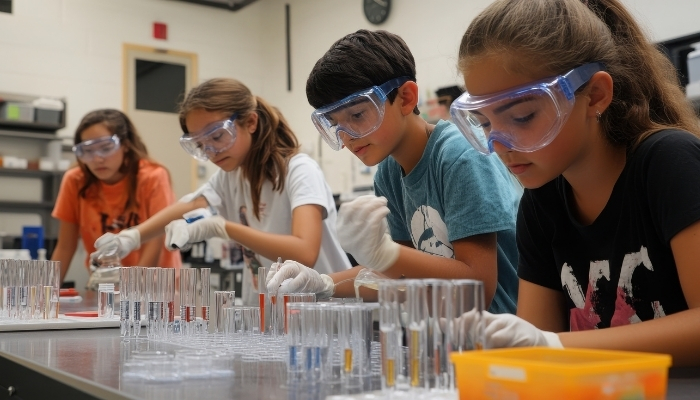
This assessment goes beyond just recalling facts. It challenges students to apply their understanding of science to everyday situations, test their ability to analyze data, and solve problems logically. Essentially, it is about developing scientific thinking and teaching children how to inquire, explore, and interpret the world around them.
Why Science NAPLAN Matters
Science NAPLAN isn’t just about preparing for a test. It plays a vital role in building skills that will serve your child well in both school and everyday life.
-
Develops Problem-Solving Skills: The test encourages students to use their scientific knowledge to address real-world challenges, promoting problem-solving and critical thinking skills that go beyond memorization.
-
Supports Future Academic Success: Performing well on Science NAPLAN helps your child build the foundation for high school subjects, particularly if they wish to pursue science or technology fields later on.
-
Boosts Confidence: Mastering scientific concepts and applying them in a test builds confidence in your child’s abilities, preparing them for future academic challenges.
-
Connects Learning to the Real World: The test shows how well students can apply their knowledge in practical ways, whether it’s interpreting data, understanding weather patterns, or explaining how energy works in everyday life.
By looking at Science NAPLAN results, you can gain valuable insights into your child’s understanding of key scientific principles and where they may need more support.
Now that we’ve explored what Science NAPLAN is and why it’s important, let’s get into how the test actually evaluates your child’s scientific thinking and the skills they’ll need to succeed.
Also Read: Is NAPLAN Compulsory for Students?
How the Science NAPLAN Tests Your Child’s Scientific Thinking
The Science NAPLAN focuses on assessing your child’s ability to apply scientific knowledge, think critically, and solve real-world problems. Here’s how the test evaluates different aspects of scientific thinking and the skills your child will need to succeed.
1. Critical Thinking and Problem Solving
One of the core aspects of the Science NAPLAN is testing your child's ability to think critically. It’s not just about recalling facts; it’s about using scientific knowledge to solve problems. The test presents real-world scenarios that require your child to apply what they’ve learned in a practical context.
Example: Your child might be asked to predict how the temperature will affect the growth of a plant. This question tests not just their recall of the plant growth process but their ability to think logically and predict outcomes based on scientific principles.
To help your child strengthen these critical thinking skills, FunFox Readers Club offers a great way to engage with scientific texts. By reading and discussing a variety of topics, your child can develop their ability to think logically and critically, providing them with the tools they need to approach complex problems in the test confidently.



2. Scientific Reasoning and Explanation
Beyond interpreting data and solving problems, Science NAPLAN tests how well your child can reason scientifically. This means explaining their thought process and justifying their conclusions with evidence.
For example, if your child is asked how changes in the environment might affect a species, they need to not only state the facts but also explain their reasoning. This type of question tests how well they can apply scientific concepts to real-world issues and express their reasoning clearly.
3. Data Interpretation and Analysis
Another significant way the Science NAPLAN tests scientific thinking is through data interpretation. Students will encounter graphs, tables, and charts that present scientific data. They will need to interpret and analyze this information to answer questions.
Example: A question could present a graph showing the relationship between the amount of sunlight and the growth rate of different plants. Your child will need to interpret the data from the graph and explain the relationship, demonstrating their ability to extract relevant information from visual data.
4. Scientific Inquiry and Investigation
The Science NAPLAN also tests your child's ability to think like a scientist: asking questions, designing investigations, and using evidence to draw conclusions. In the assessment, students are often asked to design or analyze simple experiments.
For example, a question might describe a scientific experiment and ask your child to identify variables or suggest improvements to the experiment. This tests their understanding of the scientific method: the process of asking questions, testing hypotheses, and drawing conclusions based on results.
By strengthening these key scientific skills, your child will be well-prepared to face the challenges of Science NAPLAN and approach each question with confidence.
After reviewing how the Science NAPLAN tests scientific thinking, let’s look at the key struggles students face and how you can help them overcome these hurdles.
Also Read: Understanding NAPLAN's Adaptive Testing Online
Where Students Typically Struggle in Science NAPLAN
While preparing for Science NAPLAN, students often encounter specific challenges that can hinder their performance. Understanding these areas of struggle allows you to support your child more effectively. Here are the key areas where students typically face difficulties:
1. Applying Scientific Knowledge to Real-World Problems
Many students struggle to connect scientific concepts to real-life situations. This affects their ability to answer questions that require the practical application of their knowledge.
2. Interpreting and Analyzing Data
Data interpretation can be difficult for students, especially when it involves analyzing graphs, tables, or charts. Many students find it challenging to extract meaningful insights from data.
3. Scientific Reasoning and Explanation
Some students find it hard to explain their reasoning behind scientific answers. The test often requires students to justify their conclusions, which can be tricky if they haven’t fully grasped the reasoning process.
4. Managing Time During the Test
Time management is a common issue, especially with a variety of question types. Many students rush through questions and miss key details due to stress or time pressure.
5. Understanding Scientific Concepts Deeply
A shallow understanding of concepts can make it difficult for students to apply knowledge in more complex situations. Rote memorization isn’t enough for success in Science NAPLAN.
By focusing on these common challenges, you can guide your child in developing the skills needed to excel in Science NAPLAN. Encouraging a deeper understanding, better time management, and practical application of knowledge will set them up for success.
Having identified the common challenges, it's time to look at a step-by-step approach that will guide your child towards success in Science NAPLAN 2025.
Also Read: Understanding NAPLAN Scores for Year 7 Students
Step-by-Step Preparation Plan for Science NAPLAN 2025
Preparing for Science NAPLAN involves a clear, phased approach that builds your child's knowledge, tests their skills, and strengthens their confidence. This plan breaks down the preparation process into manageable steps, ensuring your child is ready for the 2025 test.
1. Foundation Building (Term 1)
In the first phase, focus on strengthening core scientific knowledge. This is the time to build a solid foundation in key scientific concepts, as well as ensure your child is comfortable with essential scientific vocabulary. Understanding the basics thoroughly will make future lessons and test preparation easier.
-
Focus on Key Scientific Concepts: Start with foundational topics in physical, life, and earth sciences.
-
Scientific Vocabulary: Help your child become familiar with important terms and their meanings.
-
Encourage Curiosity: Introduce science through engaging activities, experiments, or field trips to make the learning process enjoyable.
2. Practice with Test-Style Questions (Term 2)
Once your child has a good grasp of the fundamentals, it's time to introduce test-style questions to help them get comfortable with the Science NAPLAN format. At this stage, practicing questions will help them become familiar with the types of questions they will encounter on the test and improve their ability to recall and apply knowledge quickly.
-
Test Format Familiarity: Introduce multiple-choice, short-answer, and data interpretation questions.
-
Timed Practice: Encourage your child to work through practice questions under timed conditions to improve their ability to manage time during the test.
-
Simulate Real Test Conditions: Recreate a testing environment at home to help your child feel more prepared for the actual test.
3. Targeted Feedback and Improvement (Term 3)
During Term 3, your child should focus on targeted feedback and improving any areas where they are struggling. This phase is crucial for refining their problem-solving skills and addressing any gaps in knowledge. By now, your child should be comfortable with the test format, but there may still be some areas where extra practice is needed.
-
Review Mistakes: Go through practice tests and identify the questions your child struggled with. Focus on understanding the mistakes and learning from them.
-
Strengthen Weak Areas: Provide additional resources or support to help your child grasp difficult concepts.
-
Encourage Critical Thinking: Focus on questions that require scientific reasoning and problem-solving, ensuring your child is confident in applying their knowledge.
4. Final Review & Mindset Preparation (Term 4)
The final phase focuses on consolidating knowledge and getting your child ready for the test both mentally and academically. This is the time to ensure everything they’ve learned is reinforced and they feel confident going into the test.
-
Mock Tests: Have your child take full-length practice tests under timed conditions. This simulates the actual test environment and helps your child practice pacing themselves.
-
Review Key Concepts: Go over the most important scientific concepts and ensure your child can apply them confidently.
-
Mental Preparation: Encourage your child to stay calm and confident, reminding them that preparation is key. Help them manage any test-related anxiety.
By following this structured preparation plan, you can ensure your child builds the necessary knowledge, skills, and confidence to excel in the Science NAPLAN 2025. Each phase prepares them for both the content and the test-taking experience, setting them up for success.
With a solid foundation in place, it's time to implement specific strategies that will maximize your child’s performance and help them tackle the test confidently. Let’s explore practical tips that can give them the edge in Science NAPLAN preparation.
Practical Strategies to Boost Your Science NAPLAN Performance
Success in Science NAPLAN comes from a combination of knowledge, skills, and the ability to apply scientific thinking. Here are some effective strategies to help your child excel:

1. Build Real-World Connections
Help your child relate science to everyday life. Discuss science topics they encounter in their daily routine and encourage them to think about how science affects the world around them. This makes concepts feel relevant and easier to grasp.
2. Practice with Timed Sessions
Science NAPLAN has a time limit, so practice under timed conditions to improve speed and accuracy. This will help your child manage their time effectively during the test, making sure they can answer all questions within the given time frame.
3. Focus on Understanding, Not Memorization
Rather than memorizing facts, help your child understand the principles behind scientific concepts. Encourage them to explain why things happen in scientific terms. This deeper understanding will help them apply their knowledge effectively on the test.

4. Improve Data Interpretation Skills
Data interpretation is a key part of Science NAPLAN. Practice reading and interpreting graphs, tables, and charts with your child. Encourage them to identify trends, make predictions, and explain what the data shows.
5. Strengthen Scientific Reasoning
Your child needs to be able to explain their thought process clearly. Encourage them to justify their answers with evidence. Practicing this will help them answer questions that require reasoning and justification, which are common in Science NAPLAN.
6. Simulate Test Conditions
Help your child get used to the test format by taking full-length practice tests under timed conditions. This prepares them for the experience of the test day, reduces anxiety, and improves test-taking skills.
7. Focus on Mental and Physical Well-Being
A positive mindset is essential for test success. Encourage your child to stay calm and confident. Ensure they get plenty of rest and eat healthily leading up to the test day, as these factors influence concentration and performance.
8. Interactive Online Resources
Interactive online resources make learning engaging and fun. Programs like FunFox Readers Club combines interactive science lessons and reading materials, helping your child build scientific knowledge in a dynamic way.
With science games, engaging texts, and instant feedback, your child can track progress and deepen their understanding. The Readers Club reinforces scientific concepts while boosting reading and comprehension skills, making complex ideas accessible and preparing your child for Science NAPLAN with confidence.
These strategies will help your child feel prepared and confident for the Science NAPLAN 2025. By focusing on real-life connections, practicing regularly, and improving both their knowledge and mindset, they’ll be well-equipped to tackle the test.
Conclusion
Preparing for Science NAPLAN goes beyond mastering scientific concepts; it’s about developing critical thinking and problem-solving skills. By following a structured preparation plan and using effective strategies, your child can approach the 2025 test with confidence.
With FunFox, your child will receive the support they need to build understanding, practice key skills, and improve test performance. Whether it's enhancing scientific knowledge or practicing under timed conditions, FunFox offers the resources to set your child up for success.
Remember, Science NAPLAN is an opportunity to strengthen your child’s scientific thinking and prepare them for future academic challenges. With the right preparation and support, they’ll excel.
Get your child started today with FunFox’s interactive Science tutoring. Get in touch with Funfox and see how our personalized approach can make all the difference!
FAQs
1. What grade level does Science NAPLAN cover?
Science NAPLAN is administered to students in Years 3, 5, 7, and 9. It tests how well students understand scientific concepts from the Australian curriculum, preparing them for future science studies.
2. How can I track my child's progress leading up to Science NAPLAN?
You can track progress by using practice tests and reviewing areas of difficulty. Platforms like FunFox provide detailed reports that show how well your child is grasping key concepts.
3. Is Science NAPLAN aligned with the Australian Curriculum?
Yes, Science NAPLAN is aligned with the Australian Curriculum, covering the key scientific concepts students learn in class and assessing their ability to apply them.
4. What should my child do the night before Science NAPLAN?
Ensure your child gets a good night’s sleep and avoid cramming. A quick review of difficult areas can help, but relaxation is key to being mentally prepared.
5. Can I help my child prepare for Science NAPLAN at home?
Yes! You can help by discussing science topics, practicing problems, and doing simple experiments. This makes science feel more engaging and helps reinforce learning.