




When a child has apraxia of speech, learning to read can feel especially challenging. Many parents notice that while their child understands stories and ideas, tasks like sounding out words, spelling, or reading aloud take much more effort than expected.
Although apraxia primarily affects speech planning, it can also interfere with the sound-based skills needed for reading and writing. Without the right support, children may work very hard but struggle to make steady progress.
This guide explains how reading challenges show up in children with apraxia, what to look for in effective reading programs for students with apraxia, and how families in Australia can support reading progress at home and school.
Quick Summary
-
Apraxia of speech can impact reading because sound planning and phonological awareness are closely linked to decoding and spelling.
-
Children with apraxia can learn to read successfully with the right support, progress may be slower, but it is absolutely achievable.
-
The most effective reading programs for students with apraxia are structured, explicit, multisensory, and aligned with speech therapy goals.
-
Programs like FunFox Readers Club, Wilson, Barton, and Lindamood-Bell support sound awareness, repetition, and confidence-building.
-
Traditional reading instruction often isn’t enough, students with apraxia benefit from step-by-step pacing, reduced verbal pressure, and frequent review.
-
Parents play a critical role by keeping practice consistent, using audiobooks and listening strategies, and maintaining a positive, low-pressure environment.
-
Speech therapy and reading instruction work best together, reinforcing sound production and literacy skills at the same time.
What Is Apraxia of Speech?
Apraxia of speech is a motor speech disorder that affects a child’s ability to plan and coordinate the movements needed to speak clearly. The brain knows what it wants to say, but the messages to the mouth muscles do not work smoothly, making speech sound inconsistent or effortful.
Children with apraxia often understand language well but struggle to produce sounds, words, or sentences accurately. Because spoken sounds are a foundation for reading and spelling, apraxia can also impact early literacy development.
Why Reading Can Be Harder for Students With Apraxia
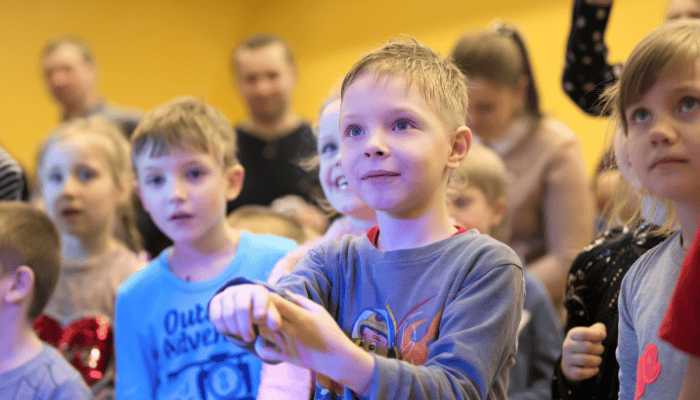
Reading relies heavily on a child’s ability to hear, remember, and manipulate sounds. For students with apraxia of speech, these sound-based processes can be more difficult, even when understanding and intelligence are age-appropriate.
Common reasons reading may be more challenging for students with apraxia include:
-
Difficulty linking sounds to letters: Apraxia affects speech motor planning, which can make it harder for children to clearly produce and remember individual sounds. This can interfere with phonics and decoding.
-
Inconsistent sound production: A child may say the same word differently each time, making it harder to recognize sound patterns and apply them when reading or spelling.
-
Weak phonological awareness: Skills such as blending sounds, segmenting words, or identifying rhymes can be harder to develop, even with good language comprehension.
-
High cognitive effort during reading: When so much energy goes into planning sounds, children may have less mental capacity available for fluency and comprehension.
-
Reduced confidence with oral reading: Struggling to say words clearly can lead to avoidance of reading aloud, limiting practice and slowing progress.
-
Spelling difficulties linked to speech challenges: Because spelling relies on accurate sound awareness, students with apraxia often find writing words especially challenging.
With the right reading programs and speech-informed strategies, these challenges can be addressed in a supportive and structured way.
What to Look For in Reading Programs for Students With Apraxia
Not all reading programs are designed to meet the needs of students with apraxia of speech. Because apraxia affects how children plan and produce sounds, effective reading instruction must be closely aligned with speech and sound development.
When evaluating reading programs for students with apraxia, look for the following features:
-
Strong focus on phonological awareness: Programs should explicitly teach sound skills such as blending, segmenting, and sound discrimination, not assume these skills develop automatically.
-
Systematic and structured instruction: Clear, step-by-step progression helps children build skills gradually without gaps that can increase confusion or overwhelm.
-
Multisensory learning approaches: Effective programs use visual, auditory, and tactile input together, helping children connect sounds, letters, and meaning more securely.
-
Emphasis on repetition and practice: Students with apraxia benefit from repeated exposure to sounds, words, and patterns to build motor planning and memory.
-
Reduced reliance on verbal output early on: Programs should allow children to listen, point, match, or respond nonverbally before expecting consistent spoken responses.
-
Integration with speech goals: Reading instruction should complement speech therapy rather than work separately from it, reinforcing the same sound patterns and motor plans.
-
Support for confidence and emotional safety: A supportive tone, manageable pacing, and positive reinforcement are essential to prevent frustration and avoidance.
-
Opportunities for guided practice: Programs that include teacher guidance or small-group support often work better than fully independent instruction for children with apraxia.
The right reading program does not rush progress. It respects how children with apraxia learn and provides the structure and patience they need to succeed.
Top 6 Reading Programs That Support Students With Apraxia of Speech

While apraxia of speech is different from dyslexia, many students with apraxia benefit from structured, multisensory reading programs that emphasize sound awareness, repetition, and explicit instruction.
Below are six well-established reading programs and approaches commonly used to support students with apraxia of speech. Each offers strengths that can complement speech therapy and literacy intervention.
1. FunFox Readers Club
FunFox Readers Club is an online reading program created for children who find reading challenging, including those with learning differences such as dyslexia or speech-related difficulties. The program blends structured literacy instruction with interactive, child-friendly activities that support both skill development and emotional confidence.
Rather than relying on worksheets alone, FunFox encourages children to actively listen, speak, read, and interact with text, making learning more engaging and accessible.
Key features:
-
Small-group sessions with personalized support: Classes are kept intentionally small, allowing teachers to adjust pacing, explain concepts clearly, and respond to individual needs in real time.
-
Explicit, research-informed instruction: Core skills such as phonemic awareness, decoding, fluency, vocabulary, and comprehension are taught directly and systematically.
-
Multisensory-inspired learning: Lessons integrate listening, speaking, visual cues, and interactive tasks to strengthen understanding and memory.
-
Guided reading with live feedback: Teachers provide gentle corrections and encouragement during reading, helping children feel supported rather than judged.
-
Confidence-first learning environment: Progress is celebrated, effort is recognized, and mistakes are treated as part of learning, reducing anxiety around reading.
Best for: Families looking for a structured, supportive online reading program that balances skill-building with emotional reassurance. Well-suited for struggling readers ages 5–12 who benefit from personalized guidance and interactive instruction.



1. Wilson Reading System
The Wilson Reading System is a structured literacy program based on Orton-Gillingham principles. It is widely used with students who have significant reading difficulties, including those with speech and language disorders.
Why it supports students with apraxia:
-
Explicit, systematic phonics instruction reduces guesswork
-
Strong focus on phonemic awareness and decoding
-
Multisensory techniques (visual, auditory, tactile, movement-based)
-
Step-by-step progression that supports motor planning
-
Frequent repetition and review to build automaticity
Best for: Students who need highly structured reading instruction alongside speech therapy support.
2. Barton Reading & Spelling System
The Barton Reading & Spelling System is designed for one-to-one or small-group instruction and is commonly used by parents, tutors, and educators.
Why it supports students with apraxia:
-
Begins with intensive phonemic awareness before print
-
Allows nonverbal or low-verbal responses in early stages
-
Scripted lessons reduce cognitive load
-
Strong emphasis on repetition and mastery
-
Clear pacing that can be adjusted to the child
Best for: Children who need slow, carefully scaffolded reading instruction and benefit from predictable routines.
3. Lindamood-Bell Programs (LiPS® and Seeing Stars®)
Lindamood-Bell offers programs that directly target sound awareness and symbol imagery, which are foundational for reading.
Why they support students with apraxia:
-
LiPS® focuses on how sounds feel and are produced in the mouth
-
Strengthens speech-sound awareness, not just letter recognition
-
Multisensory and highly speech-informed
-
Supports both reading and spoken language development
-
Often used alongside speech-language therapy
Best for: Students whose reading difficulties are closely tied to speech-sound planning and awareness.
4. Reading Horizons
Reading Horizons is a structured phonics program that integrates digital tools with direct instruction.
Why it supports students with apraxia:
-
Explicit teaching of sound patterns and decoding
-
Multisensory lessons with visual and auditory reinforcement
-
Technology supports repeated listening and practice
-
Flexible pacing for individual learners
-
Clear structure reduces overwhelm
Best for: Students who benefit from structured phonics with digital reinforcement and consistent practice.
5. Orton-Gillingham-Based Individualized Instruction
Rather than a single program, Orton-Gillingham (OG) is an approach used by trained educators and therapists.
Why it supports students with apraxia:
-
Highly individualized instruction
-
Strong alignment with speech-to-print learning
-
Emphasizes repetition, multisensory input, and structured progression
-
Can be adapted to align directly with speech therapy goals
-
Allows reduced verbal demands when needed
Best for: Students who require customized reading intervention closely aligned with their speech development.
Important Note for Families: Not every reading program works the same way for children with apraxia. The most effective support usually comes from combining structured reading instruction with ongoing speech-language therapy, ensuring that sound production, phonological awareness, and reading skills develop together.
A qualified speech-language pathologist or literacy specialist can help determine which program or combination of approaches best fits your child’s needs.
Suggested Read: Effective Reading Programs for Children with Autism
How These Programs Differ From Traditional Reading Instruction?
Reading programs designed for students with apraxia of speech (and related language-based learning differences) are intentionally structured to address challenges that traditional classroom instruction often does not.
Below is a clear comparison to show how structured reading programs differ from traditional reading instruction and why these differences matter for students with apraxia.
|
Instructional Area |
Traditional Reading Instruction |
Structured Reading Programs (Apraxia-Supportive) |
|
Lesson Structure |
Often thematic or text-based with skills taught indirectly |
Highly structured and sequential, with skills introduced step by step |
|
Skill Progression |
New concepts may be introduced before mastery |
New skills are introduced only after previous ones are secure |
|
Teaching Method |
Relies heavily on visual learning and group instruction |
Uses multisensory methods (visual, auditory, tactile, movement-based) |
|
Phonics Instruction |
Phonics may be implicit or inconsistent |
Phonics is taught explicitly and systematically |
|
Repetition & Review |
Limited repetition due to pacing demands |
Frequent review is built into every lesson |
|
Pacing |
Fixed pace based on class curriculum |
Individualized pacing based on the child’s readiness |
|
Speech–Sound Focus |
Assumes speech sounds are already established |
Directly supports sound awareness and production |
|
Emotional Impact |
Can increase frustration or shutdown |
Designed to reduce overwhelm and build confidence |
These differences are not about working harder, but about working differently. When instruction matches how a child’s brain processes language, reading becomes more accessible, achievable, and confidence-building.
What Role Does Phonemic Awareness Play in Dyslexia Reading Programs?

Phonemic awareness is one of the most important foundations of effective dyslexia reading programs. It refers to a child’s ability to hear, recognize, and manipulate individual sounds (phonemes) in spoken words, without relying on written text.
For many students with dyslexia, difficulties with phonemic awareness sit at the core of their reading challenges. When a child struggles to clearly hear and work with sounds, decoding words, spelling, and fluent reading all become much harder.
Because of this, high-quality dyslexia reading programs place strong, early, and ongoing emphasis on phonemic awareness.
These programs typically include structured activities such as:
-
Identifying and producing rhymes to build sound sensitivity
-
Blending individual sounds together to form words
-
Segmenting words into their individual sounds
-
Manipulating sounds by adding, removing, or substituting phonemes
When phonemic awareness is strengthened first, reading instruction becomes far more effective and less frustrating for dyslexic learners.
Suggested Read: Multisensory Reading Programs for Dyslexia and Struggling Readers
How Can Parents Support Their Child’s Reading Journey With Dyslexia or Apraxia?
Parents play a powerful role in supporting children with dyslexia or apraxia of speech as they learn to read. Consistent, patient support at home can significantly strengthen progress made through school or intervention programs.
Here are practical ways parents can help:
-
Choose a structured, evidence-based program: Look for reading programs designed specifically for students with speech or language-based learning challenges. Programs that use explicit phonics, multisensory instruction, and clear routines are often the most effective.
-
Keep practice short and consistent: Regular, brief practice sessions (10–20 minutes) are far more helpful than long, infrequent ones. Consistency builds confidence and helps skills stick without overwhelming your child.
-
Create a positive, low-pressure environment: Celebrate effort and progress rather than accuracy alone. Avoid comparing your child to peers or siblings, and focus on what they can do.
-
Read aloud and listen together: Shared reading, audiobooks, and ear-reading strategies support comprehension, vocabulary, and confidence, especially for children who struggle with decoding or speech planning.
-
Use supportive tools when needed: Assistive tools such as audiobooks, text-to-speech features, or speech-support apps can reduce frustration and help children access grade-level content while their reading skills develop.
-
Communicate with teachers and specialists: Staying aligned with educators, speech-language pathologists, or reading specialists ensures that home practice supports what your child is learning elsewhere.
Most importantly, remember that progress may be gradual. Patience, encouragement, and belief in your child’s ability make a meaningful difference over time.
Also read: 20+ Reading Fluency Tips Parents Can Use to Help Struggling Readers
7 Best Exercises, Games & Activities for Childhood Apraxia of Speech
Children with apraxia of speech benefit most from activities that blend fun with targeted practice. Engaging games and interactive exercises help build the motor planning, sound awareness, sequencing, and expressive skills needed for clearer speech and stronger literacy. Below is a list of effective, evidence-inspired activities that support sound production, language awareness, and communication confidence, without overwhelming your child.
|
Activity |
What It Supports |
How It Helps |
|
Rhythmic Chants & Songs |
Sound sequencing & timing |
Helps children practice rhythm, syllable patterns, and smooth transitions between sounds in a predictable, enjoyable context. |
|
Simon Says Speech Edition |
Motor planning & imitation |
Models clear articulation while the child imitates sound sequences, improving coordination of speech movements. |
|
Multi-Sensory Sound Boxes |
Sound awareness & memory |
Encourages children to say, hear, see, and feel target sounds using textured cards, objects, or tactile cues. |
|
Picture Sound Matching |
Initial sound recognition |
Children match images to target sounds, building early phonemic awareness foundational to reading and speaking. |
|
Story Sequencing Cards |
Narrative structure & planning |
Helps with sequencing events and expressing ideas in order, skills linked to both language and literacy development. |
|
Tongue Twisters with Movement |
Articulation & motor control |
Repeating fun, simple tongue twisters while using gestures or movement strengthens coordination and speech clarity. |
|
Interactive Read-Alouds |
Prosody & expressive language |
Read stories aloud together and pause to emphasize rhythm, phrasing, and expressive speech, supporting fluency and comprehension. |
Also Read: Engaging Reading Fluency Games for Students

How FunFox Supports Students With Apraxia and Reading Challenges

At FunFox, we recognize that children with apraxia of speech and related reading difficulties need more than repetition, they need instruction that is patient, flexible, and thoughtfully designed around how they learn.
Here’s how FunFox supports students with apraxia and other speech-language–based reading challenges:
-
Individual understanding before instruction: We take time to understand each child’s specific speech, language, and reading needs so lessons target the areas that matter most, such as sound awareness, decoding, or fluency.
-
Speech-informed, multisensory teaching: Lessons combine listening, speaking, visual supports, and interactive activities to help children connect sounds to letters and words in a way that supports speech planning and memory.
-
Strong focus on listening and oral language: Guided listening, modeling, and discussion help students build language patterns internally before expecting fluent oral reading.
-
Small-group support that feels safe: Classes are intentionally small, allowing children to practice without fear of being rushed or corrected constantly. Mistakes are treated as part of learning.
-
Clear progress tracking and feedback: Teachers monitor growth carefully and share understandable updates with families so progress feels visible and motivating.
-
Practical guidance for families: Parents receive simple, realistic strategies they can use at home to support reading without overwhelming their child.
-
Supportive use of technology: Digital tools and guided activities allow students to revisit sounds, words, and texts at their own pace, reducing frustration.
With FunFox’s Readers Club, reading instruction is calm, structured, and respectful of how children with apraxia learn. Over time, reading feels less stressful and more achievable, helping confidence grow alongside skills.
Final Thoughts
Learning to read with apraxia of speech can take more time, patience, and the right kind of support, but meaningful progress is absolutely possible. When reading instruction is structured, multisensory, and responsive to a child’s speech and language needs, reading no longer has to feel overwhelming or discouraging.
If your child is finding reading difficult due to apraxia or speech-based challenges, you don’t have to handle it alone. Explore how FunFox Readers Club provides calm, research-informed support designed to meet children where they are.
Schedule a free trial class with us and take the first step toward confident, supported reading.
FAQs
1. Can children with apraxia of speech learn to read successfully?
Yes. With structured, multisensory reading instruction and consistent practice, many children with apraxia develop strong reading skills over time.
2. Why is reading harder for children with apraxia?
Apraxia affects speech planning and sound production, which can make phonics, decoding, and blending sounds more difficult during reading.
3. What type of reading instruction works best for apraxia?
Programs that are structured, explicit, and multisensory, focusing on phonemic awareness, repetition, and gradual skill building, are most effective.
4. Are audiobooks helpful for children with apraxia?
Yes. Audiobooks support comprehension, vocabulary, and confidence by allowing children to access stories without the pressure of decoding every word.
5. How often should a child with apraxia practice reading?
Short, regular practice sessions (15–20 minutes daily) are more effective than long or infrequent sessions.
6. Should speech therapy and reading instruction be connected?
Ideally, yes. When speech and reading support work together, children benefit from consistent language goals and reinforced learning.
7. When should parents seek additional reading support?
If progress remains slow despite regular practice, or if reading causes ongoing frustration or avoidance, structured programs or specialist support can help.